
How to Identify Technology Problems Before Purchasing an Industrial Facility
Buying an industrial facility can be an excellent opportunity for business growth, but it also comes with responsibilities that are not always obvious at first glance. While buyers often focus on location, building condition, production capacity, and purchase price, the technology inside the facility deserves equal attention. Outdated machinery, unreliable computer systems, weak cybersecurity, and poorly maintained infrastructure can create expensive challenges after the deal is completed.
Identifying Technology Problems before purchasing an industrial facility helps businesses make informed decisions, avoid unexpected expenses, and protect their long-term investments. Whether you are acquiring a manufacturing plant, warehouse, distribution centre, or processing facility, understanding its technological condition is essential.
For buyers in the UK and US, a detailed technology assessment can reveal hidden risks that might otherwise affect productivity, safety, compliance, and profitability. This guide explains what to inspect, which warning signs to recognise, and how to evaluate a facility’s technology before making a final commitment.
Why Technology Problems Matter When Buying an Industrial Facility
An industrial facility is more than a physical building. It is a combination of machinery, electrical systems, software, communication networks, security equipment, and operational processes. If any of these components are outdated or unreliable, the new owner may face disruption shortly after taking possession.
Many buyers underestimate the impact of Technology Problems because equipment may appear functional during a brief site visit. A production machine might operate normally for a few minutes but experience frequent failures during continuous use. Similarly, an outdated computer system may still work while lacking essential security updates or compatibility with modern software.
These issues can increase maintenance costs, delay production, and require unexpected investment. In some cases, buyers may need to replace essential equipment earlier than planned.
A proper assessment provides a clearer understanding of the facility’s actual condition. It also gives buyers stronger grounds for negotiating the purchase price, requesting repairs, or planning future upgrades.
1. Inspect the Condition of Existing Equipment
Machinery is often one of the most valuable assets in an industrial facility. However, its age, maintenance history, operating condition, and availability of replacement parts can significantly affect its future usefulness.
During an inspection, examine production machines, conveyors, compressors, pumps, packaging equipment, and other essential assets. Look for unusual noise, excessive vibration, overheating, visible wear, recurring error messages, and inconsistent performance.
Ask the seller for maintenance records, service reports, repair invoices, and details of previous equipment failures. These documents can help establish whether machines have received regular servicing or have been operating with recurring faults.
Common Technology Problems associated with industrial equipment include obsolete control systems, unreliable sensors, unsupported software, and components that are difficult to replace.
It is also important to determine whether the equipment can support your intended production requirements. Machinery that was suitable for the previous owner may not meet your operational needs.
Whenever possible, arrange an inspection by a qualified engineer who can conduct appropriate operational tests. A professional assessment can identify defects that are difficult to recognise during a visual inspection.
2. Evaluate Legacy Systems and Outdated Software
Industrial facilities frequently rely on software that has been in use for many years. These systems may control production schedules, monitor equipment performance, manage inventory, or coordinate warehouse operations.
Although legacy software can remain useful, it becomes a concern when the original vendor no longer provides updates, technical support, or replacement components.
One of the most important Technology Problems to investigate is whether existing software will continue to operate reliably after ownership changes.
Ask the seller which applications are installed, who owns the licences, when the systems were last updated, and whether technical support remains available. You should also check whether the software depends on old operating systems or specialised hardware that may be difficult to maintain.
Compatibility is another important consideration. Your business may already use modern enterprise resource planning (ERP), manufacturing execution system (MES), or inventory management software. Integrating these platforms with older facility systems may require additional development, specialist contractors, or expensive upgrades.
Before completing the purchase, request an inventory of critical applications and establish the likely cost of maintaining or replacing them.
3. Examine the Facility’s IT Infrastructure
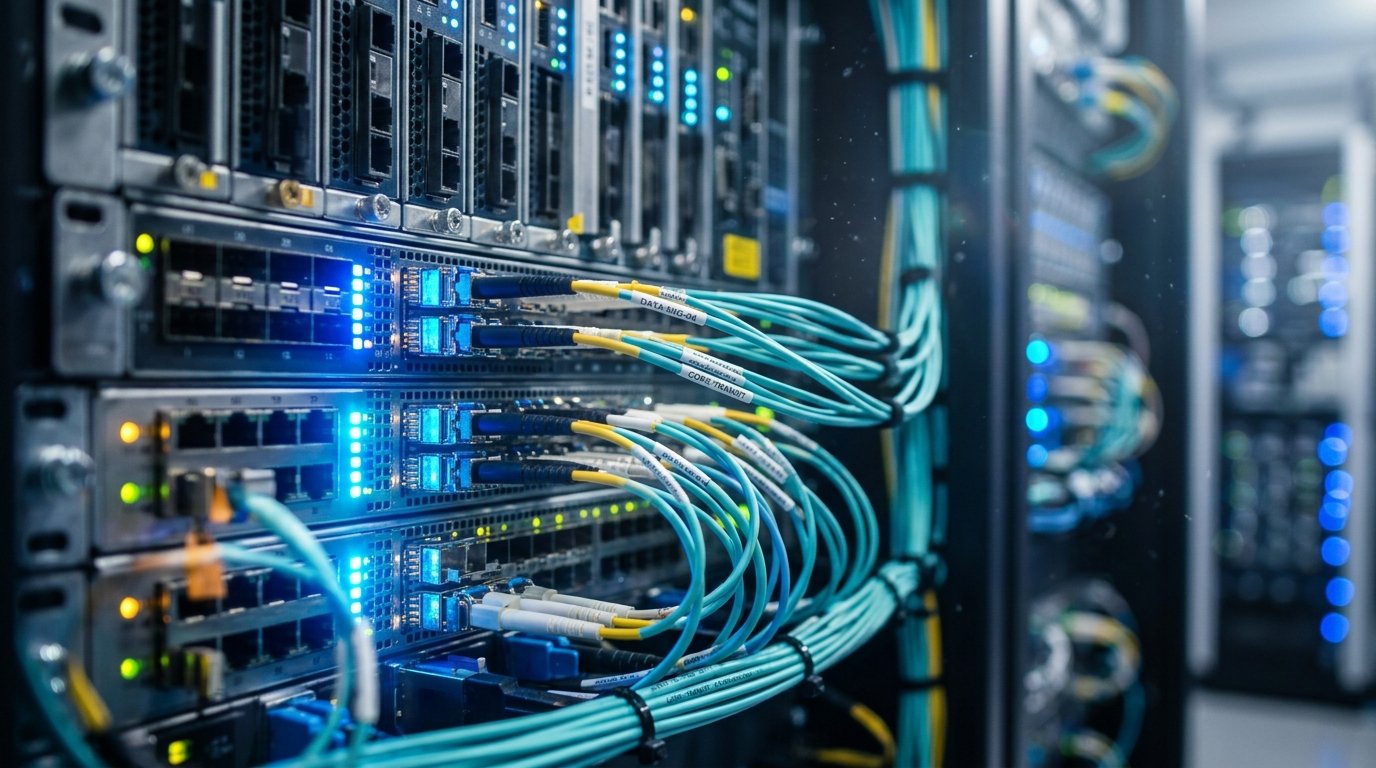
Reliable IT infrastructure is essential for modern industrial operations. Networks connect office computers, production systems, inventory platforms, security devices, and sometimes remote monitoring services.
If this infrastructure is poorly maintained, even otherwise reliable equipment can become difficult to manage.
Inspect the condition of network switches, routers, servers, wireless access points, cabling, and server rooms. Check whether the equipment receives manufacturer support and whether its capacity meets your anticipated operational requirements.
Unreliable connections, overloaded networks, poor wireless coverage, and inadequate server capacity are common Technology Problems that can interfere with daily operations.
Ask the seller for network diagrams, equipment inventories, configuration records, and information about internet connectivity. Determine whether essential systems depend on a single server or network component without a suitable backup.
Power protection also deserves attention. Critical servers and communication equipment may require uninterruptible power supplies (UPS) and appropriate backup arrangements.
An IT specialist can help determine whether the existing infrastructure is suitable for your business or requires investment before operations begin.
4. Identify Cybersecurity Weaknesses
Cybersecurity is an increasingly important consideration when purchasing an industrial facility. Connected machinery, remote access tools, employee computers, and industrial control systems can all introduce security risks if they are not properly managed.
A facility may appear physically secure while its digital infrastructure contains outdated software, poorly controlled user accounts, or insufficient network protection.
Potential Technology Problems include unsupported operating systems, weak authentication, excessive user privileges, unpatched devices, and unclear remote-access arrangements.
Ask the seller whether the facility has documented cybersecurity policies, recent security assessments, and procedures for responding to incidents. Review available evidence of security controls without assuming that a lack of reported incidents means the systems are safe.
It is also important to understand how the previous owner’s accounts, cloud services, remote connections, and third-party access will be transferred or removed.
For facilities in the UK, relevant considerations may include the UK GDPR and the Data Protection Act 2018, depending on the information and activities involved. In the US, applicable federal, state, contractual, and industry-specific requirements should be reviewed.
A qualified cybersecurity professional can assess the risks and recommend appropriate safeguards before the facility becomes part of your organisation.
5. Review Industrial Control and Automation Systems
Many industrial facilities use programmable logic controllers (PLCs), supervisory control and data acquisition (SCADA) systems, sensors, and automated production equipment.
These technologies help businesses control processes, monitor performance, and maintain consistent output. However, automation systems can become difficult to support when their components are obsolete or their original documentation is missing.
During due diligence, identify the control systems used throughout the facility and determine whether their manufacturers still provide support.
Check whether replacement parts are available, control software can be maintained, and qualified technicians can service the equipment.
Poorly documented automation systems are another source of Technology Problems. If the original engineers are no longer available, your maintenance team may struggle to understand how the equipment has been configured.
Ask for electrical drawings, control-system documentation, operating manuals, backup files, and details of previous modifications.
Do not test or modify safety-critical industrial systems without suitable professional supervision. Changes to automation can affect machinery safety, production quality, and worker protection.
An independent automation specialist can help establish whether existing systems are reliable, maintainable, and appropriate for future operations.
6. Check Electrical Systems and Supporting Infrastructure
Technology depends on reliable supporting infrastructure. Electrical distribution, lighting, ventilation, cooling, compressed air, and environmental controls can all influence equipment performance.
A facility may contain modern production equipment but still experience operational difficulties because its electrical supply is inadequate or its supporting systems are poorly maintained.
Look for signs of overheating, damaged cabling, overloaded distribution equipment, unreliable cooling, and inadequate environmental conditions around sensitive electronics.
These Technology Problems can lead to equipment failures, unexpected downtime, and higher energy costs.
Request available electrical inspection reports, maintenance records, equipment specifications, and information about the facility’s power capacity. Determine whether the current infrastructure can support planned production increases or additional machinery.
In the UK, relevant electrical safety requirements and applicable building standards should be considered. In the US, applicable electrical codes, workplace safety requirements, and local regulations may affect the assessment.
Use qualified electrical professionals to conduct the necessary inspections. A visual walkthrough alone cannot establish that an electrical installation is safe or suitable for your business.
7. Investigate Maintenance Records and Repair History
Maintenance records provide valuable information about the reliability of a facility’s equipment and technology.
A seller may describe machinery as being in good condition, but documented service history can provide a more objective picture. Frequent repairs, repeated component replacements, and unresolved faults may indicate deeper problems.
Ask for preventive maintenance schedules, breakdown reports, service agreements, inspection certificates, and records of major upgrades.
Look for recurring failures affecting the same machines or systems. These patterns can reveal whether previous owners addressed the underlying causes or simply repaired the immediate symptoms.
Missing documentation can also create Technology Problems after acquisition. Without accurate records, your maintenance team may struggle to identify compatible parts, understand previous modifications, or determine which maintenance tasks are overdue.
Where records are incomplete, request additional inspections and budget for the possibility of remedial work.
A clear maintenance history also helps estimate future operating costs and determine whether the asking price accurately reflects the condition of the facility.
8. Assess Integration and Compatibility Risks
An industrial facility rarely operates as a collection of completely independent systems. Equipment, software, sensors, databases, and business applications often exchange information to support daily operations.
Problems arise when these technologies cannot communicate effectively.
For example, a warehouse management system may not integrate with older inventory software. Production machines may use proprietary communication protocols, while the buyer’s monitoring platform requires a different standard.
Such Technology Problems can lead to manual data entry, duplicated records, reporting errors, and delays in production planning.
Before purchasing, map the major systems and identify how information moves between them. Ask which interfaces, communication protocols, and data formats are used.
If your business plans to connect the facility to existing corporate systems, arrange a technical compatibility review before finalising the acquisition.
Estimate the cost of software development, middleware, hardware replacements, data migration, and staff training where necessary.
A facility does not need the newest technology to operate successfully. However, its existing systems must be maintainable and compatible with your business requirements.
9. Estimate the Total Cost of Technology Upgrades
The purchase price is only one part of the financial commitment involved in acquiring an industrial facility. Buyers should also consider the cost of repairing, maintaining, securing, and upgrading its technology.
Unidentified Technology Problems can quickly consume budgets that were originally allocated to expansion, recruitment, or new production capabilities.
Prepare a realistic estimate covering immediate repairs, essential replacements, software licences, cybersecurity improvements, maintenance contracts, and future upgrades.
Separate these expenses into three categories:
- Immediate priorities: Repairs or replacements required before safe and reliable operations can begin.
- Short-term improvements: Upgrades needed during the first year to improve reliability, security, or compatibility.
- Long-term investments: Planned modernisation projects that support future growth and efficiency.
Obtain quotations from suitable suppliers and independent specialists rather than relying entirely on the seller’s estimates.
You should also consider operational downtime during installation and the cost of training employees to use replacement systems.
A detailed financial assessment helps you determine whether the acquisition remains commercially attractive after the necessary technology investments are included.
10. Hire Independent Experts Before Making an Offer
A comprehensive assessment often requires several areas of expertise. A building surveyor may identify structural concerns, but specialist knowledge may be needed to evaluate industrial automation, cybersecurity, machinery, and business software.
Independent experts can help uncover Technology Problems that are not immediately visible during a standard property inspection.
Depending on the facility, consider engaging:
- An industrial engineer to assess machinery and production equipment.
- An IT consultant to review networks, servers, software, and integration requirements.
- A cybersecurity specialist to evaluate digital security risks.
- An automation engineer to inspect control systems and programmable equipment.
- A qualified electrical professional to assess electrical infrastructure.
- A commercial adviser to estimate upgrade costs and support purchase negotiations.
Ask each specialist to provide written findings, identify critical risks, and recommend practical corrective actions.
Where possible, complete these assessments during the due diligence period, before your purchase becomes unconditional.
If serious defects are discovered, you may be able to negotiate a lower price, request that the seller completes agreed repairs, or reconsider the transaction. The options available will depend on the contract and applicable law.
11. Create a Technology Due Diligence Checklist
A structured checklist makes the inspection process easier to manage and reduces the chance of overlooking important details.
Use the following questions to guide your assessment:
- Is all essential equipment operational and appropriately maintained?
- Are replacement parts and technical support available?
- Are software licences valid and transferable where required?
- Do critical applications receive appropriate updates and support?
- Is the IT infrastructure reliable and sufficiently protected?
- Have cybersecurity risks been independently assessed?
- Are automation systems documented and maintainable?
- Is the electrical infrastructure suitable for current and planned operations?
- Are maintenance records complete and available?
- Can existing systems integrate with your business applications?
- Have immediate repairs and future upgrade costs been estimated?
- Are relevant safety, data protection, and industry requirements being addressed?
Document the evidence supporting each answer. Classify findings by urgency, financial impact, and operational risk.
This approach makes it easier to compare different acquisition opportunities and communicate concerns to sellers, advisers, and decision-makers.
Conclusion
Purchasing an industrial facility can create valuable opportunities, but its existing technology should never be treated as an afterthought. Machinery, software, networks, automation, electrical systems, and cybersecurity arrangements all influence the facility’s ability to operate efficiently.
Identifying Technology Problems before completing the purchase allows buyers to understand the real condition of the assets they are acquiring. It also helps prevent unexpected costs, improve operational planning, and reduce disruption during the ownership transition.
For businesses in the UK and US, the most effective approach combines detailed document reviews, physical inspections, independent technical assessments, and realistic financial planning.
Do not rely solely on the seller’s assurances or the appearance of equipment during a short visit. Investigate maintenance history, verify system compatibility, assess security controls, and calculate the cost of necessary improvements.
Ultimately, a successful acquisition is not simply about buying a building or obtaining access to existing equipment. It is about understanding what you are taking responsibility for and ensuring that the facility can support your business goals.
With thorough preparation and informed decision-making, you can identify risks early, negotiate more confidently, and build a practical plan for reliable long-term operations.
editor's pick
latest video

news via inbox
Nulla turp dis cursus. Integer liberos euismod pretium faucibua